Made Slow, Worn Long: The Case Against the Instant Purchase
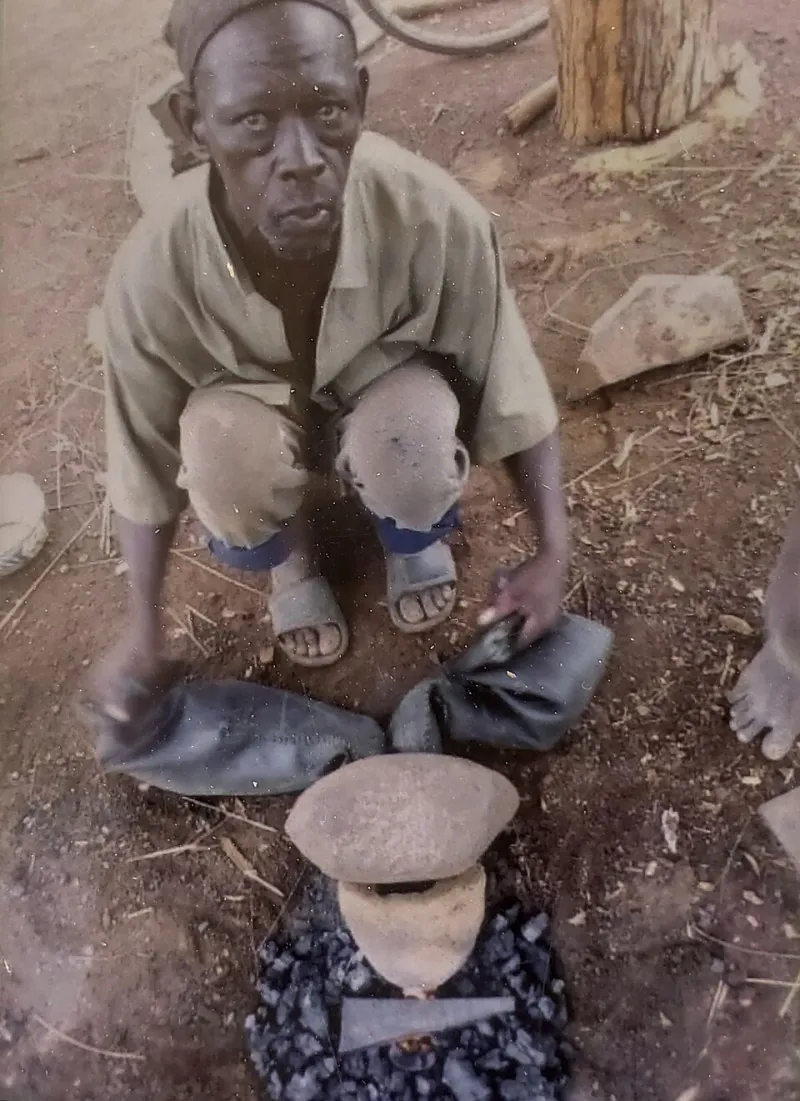
Photo: Achiri Bitamsimli, CC BY-SA 4.0, via Wikimedia Commons
There's a particular kind of silence in a maker's studio that you don't find anywhere else in the supply chain. No conveyor hum. No notification pings. Just the tap of a jeweler's hammer, the scrape of a burnishing tool, the small sigh of a kiln cooling overnight.
We've built DeLari Studio around that silence, and we'll be honest — it's a quiet rebellion. Because everything else in American life is racing in the opposite direction.
The Tyranny of Two-Day
Amazon made the two-day promise. Then it became one day. Then same-day in most metro areas, from Seattle to Miami. Convenience is a genuine gift — nobody's arguing you should wait a week for paper towels. But somewhere along the way, the expectation of instant leaked into everything, including the things we buy to last decades.
Here's the problem: an object that takes twenty minutes to make rarely earns a place in your life for twenty years. Speed and permanence don't really get along.
What the Wait Actually Buys You
When a ceramicist throws a mug, wedges the clay, trims the foot, and glazes it by hand, they're making hundreds of small decisions. Where the handle meets the body. How thick the rim sits against your lip. Whether the glaze pools a little thicker in the valleys of the texture. A machine makes none of those decisions. A person makes all of them — and that's precisely where the value lives.
A hand-finished piece carries what you might call evidence of attention. You can feel it. And because no two are identical, yours is genuinely yours in a way a warehouse-picked item never quite is.
The Shoppers Who've Stopped Hurrying
Talk to people who've shifted to buying slowly and a pattern emerges. Megan, a teacher in Portland, told us she now keeps a running list of pieces she wants from small makers and buys one a season. "The waiting became part of it," she said. "By the time the necklace arrived, I'd already been wearing it in my head for six weeks."
There's research to back the feeling up, too. Studies on the "IKEA effect" show we value things more when we've invested effort in them — and waiting, it turns out, is a form of investment. The anticipation does real emotional work.
What Makers Want You to Know
Artisans we've spoken with aren't romantic about slowness for its own sake. It's simply the honest pace of quality. A hand-raised copper bowl can't be rushed without shortcuts showing. A stone needs to be set when the metal is ready, not when the shipping label is.
Most makers will tell you the lead time isn't a barrier — it's a feature. It means your piece was made for you, in a batch of one, by someone whose name you know.
Learning to Wait Again
If you're curious about the slow purchase mindset, start small:
- Buy one handmade thing this year. A mug, a pair of earrings, a cutting board. Notice how it feels different in your hands.
- Ask about the process. Makers light up when you do, and the story becomes part of the object.
- Resist the cart abandonment reflex. Let a piece sit in your thoughts for a week. If it's still there, it was meant to be.
The things made to be lived in — really lived in, scratched, worn, warmed by daily use — were never going to arrive in a brown box by dinner. They take time. That's not the price. That's the point.