The Napkin Ledger: A Thanksgiving Ritual for Hands, Rings, and the Stories Between Them
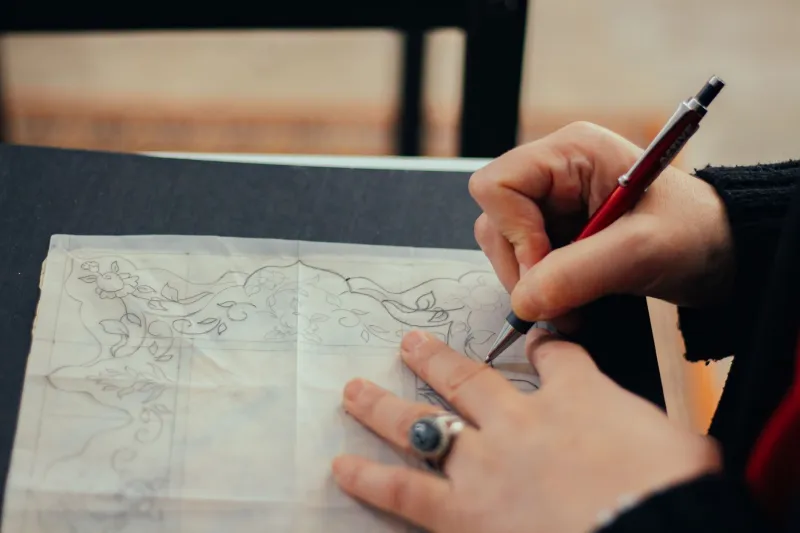
Thanksgiving has a way of putting everyone in the same room with their hands busy. Someone is drying a platter. Someone is cutting pie. Someone is twisting a grandmother's ring around a finger without thinking. That last detail is worth catching. Not in a formal way, not with a clipboard and a lecture, but with a pencil, a few sheets of paper, and ten quiet minutes at the table.
This is the idea behind a family hand ledger: a simple annual record of the hands in your family, the jewelry they wear, and the stories attached to it. It is not a will. It is not an appraisal. It is closer to a recipe card or a height chart on a doorframe—ordinary, specific, and more useful than anyone expects.
Why Hands Beat Memory
Most of us think we will remember. We will remember that Aunt Marlene's ring was tight on her right hand. We will remember that Dad wore the same thin gold band for forty years and never once took it to a jeweler. We will remember the necklace Cousin Ray bought in Santa Fe and wore every summer.
Then a decade passes, and the details go soft. Was it a size 7 or a size 8? Was the chain eighteen inches or twenty? Did the stone sit high because she liked it that way, or because the setting had worn down? These are not trivia questions. They are the difference between a future custom piece that fits the person and one that fits an old guess.
A hand trace is surprisingly honest. It shows the spread of the fingers, the knuckle line, the width of the palm. It does not tell you everything, but it gives a jeweler a place to start. Add a ring size and a note about how the piece feels, and you have something better than a photograph. You have a measurement with a story.
What Goes on the Table
You do not need much. A stack of plain index cards or tracing paper. A pencil with a good eraser. A soft measuring tape if you have one. A ring sizer is nice but not required—most people can write down a size they already know or have a jeweler check later. A pen for the notes, because pencil smudges and stories deserve ink.
After the meal, when the table is cleared but the chairs are still pulled out, ask each person to trace the hand they wear jewelry on. If they wear rings on both hands, trace both. Mark where each ring sits. Note the finger, the size if known, and whether the ring is snug, loose, or just right. Write the date at the top. This is 2026, and that matters. A ledger without dates is just a pile of paper.
For necklaces, note the length they actually wear—not the length they think they wear. For bracelets, note whether the clasp is easy or fussy. For earrings, note if heavy ones bother them. These small preferences are the things people forget to mention when they are sitting in a jewelry studio six years from now.
The Questions That Do the Real Work
The tracing is the easy part. The conversation is the ledger's real value. Ask gentle questions while the pencil is still moving. Where did this piece come from? Who wore it before you? When do you wear it, and when do you take it off? Is there anything you would change about it? Is there anything that should never change?
Do not interview people like a reporter. Let the answers wander. The best notes are often the ones that arrive sideways: the ring that was resized after a pregnancy, the chain that was shortened because it caught on a collar, the earrings that were worn to a first job interview and never again. Write down the exact words when you can. A sentence like she said it felt like wearing her mother's hands is worth more than a paragraph of description.
If a relative is not at the table, mail them a card with a tracing square and a stamped return envelope. Or ask them to trace their hand on a napkin and text a photo. The point is not perfection. The point is a record that grows.
A Ledger, Not a Museum
This is not about assigning value or deciding who gets what. Keep the ledger light. It is a working document, not a legal one. Store it with the holiday recipes or in the box with the good napkins. Add a page each year. Let children trace their hands too, even if they do not wear rings yet. In a few years, those small tracings will be the best record of how fast everyone grew.
At DeLari Studio, we think of custom jewelry as a conversation between a person and a maker. The family hand ledger is simply the part of the conversation that happens at home, around a table, before anyone ever sits down at a bench. It honors the pieces that already exist and makes room for the ones that might.
The Fit Part
Hands change. Knuckles thicken. Weight shifts. Weather swells fingers in July and shrinks them in January. A ring size is not a permanent fact; it is a reading on a particular day. That is why the ledger should be revisited, not framed. Note the date, note the season, note whether the person was warm or cold, and note how the ring felt. A jeweler can work with that.
Future custom work benefits most from the boring details: which hand, which finger, how tight, how loose, what the wearer does with their hands all day. A nurse who washes her hands constantly has different needs than a retired teacher who gardens. A person who types for a living may want a lower profile. A person who cooks may want a smooth setting that will not catch on a towel. The ledger can hold all of it.
Start Small This Year
You do not have to make this a production. One hand, one story, one index card is enough. Put the pencil next to the pie. Ask the question. Write down the answer. Next Thanksgiving, add another page. In ten years, you will have something no one can reconstruct from memory: a family record of hands, sizes, and the small, specific reasons people wear what they wear.
And when someone eventually asks a jeweler to make a piece that fits a person they love, they will have more than a guess. They will have a napkin ledger, a pencil trace, and a story worth carrying forward.