A Room-by-Room Case for Living With Handmade Things

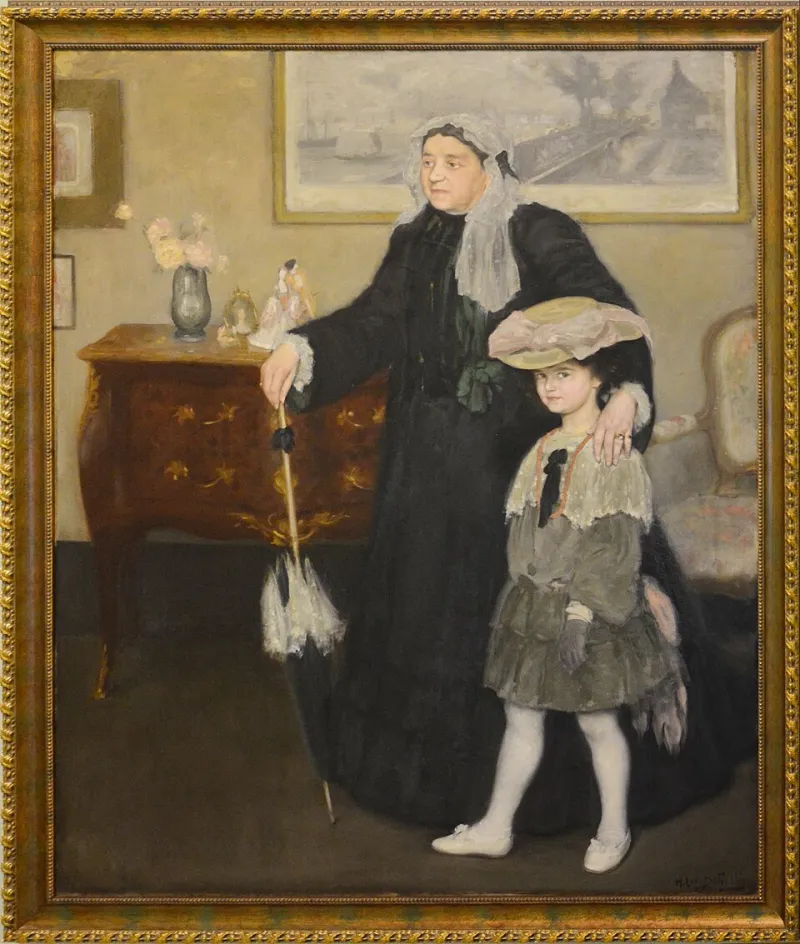
Photo: York Museums Trust, Rebecca Griffiths, 2012-07-03 13:06:17, CC BY-SA 2.0, via Wikimedia Commons
Start at the Door
The entryway gets ignored in most American homes — a dumping ground for keys and Amazon boxes. But it's the first room you enter and the last one you leave, which makes it the perfect place for one good handmade piece.
A hand-thrown ceramic bowl on the console does double duty: it catches keys and coins, and it sets a tone. The slight wobble of a wheel-thrown rim signals before you've hung up your coat that this house was assembled by hand, not ordered in bulk.
Placement tip: Keep the bowl low and within reach, on a surface with a bit of negative space around it. Handmade objects read best when they're not competing for attention.
The Kitchen: Where Use Beats Display
Here's a rule worth adopting: if it can't survive the dishwasher, it should at least survive Tuesday dinner. Artisanal kitchenware — a wooden serving board, a hand-glazed platter, cloth napkins dyed in small batches — earns its place through use, not reverence.
The mistake people make is treating handmade kitchen pieces like china. Use the good bowl for pasta. Let the cutting board get knife marks. A well-made board actually improves with wear, the grain darkening and deepening like a favorite leather jacket.
Light note: Wood and unglazed ceramics look best under warm light. If your kitchen runs cool LED, a small table lamp on the counter warms everything up, handmade or not.
The Living Room: One Piece Per Surface
The living room is where mass-produced decor tends to pile up, and where a single artisanal object can do the most work. The formula is simple: one handmade piece per surface, chosen for texture rather than color.
A hand-woven basket beside the sofa. A slab pottery vase on the mantel. A hand-knotted throw that's visibly imperfect in the way machines can't fake. The trick is contrast — the smoothness of a factory-made sofa makes the irregularity of a thrown vase pop, and vice versa.
Avoid this: clustering five handmade objects together on one shelf. They start arguing with each other. Spread them out and each one gets its moment.
The Bedroom: Texture Over Everything
Bedrooms are about touch, which makes them the most natural home for artisanal textiles. A handwoven coverlet, a small-batch linen pillowcase set, a turned wood lamp base you reach for half-asleep — these are the pieces that quietly upgrade a room.
Keep the palette tight. Handmade textiles often carry slight variations in dye lots, and those variations read as richness against a neutral wall but as clutter against a busy one.
The Bath: Yes, Really
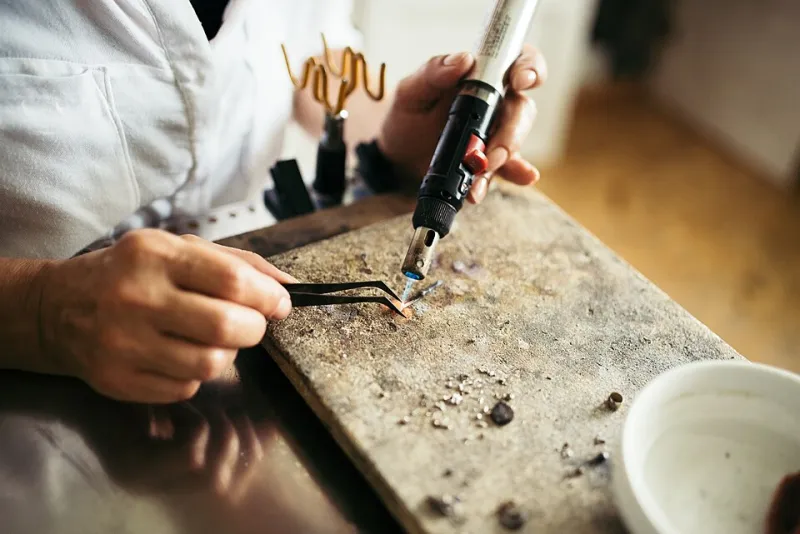
The bathroom is the wildcard, and the most fun. A forged brass hook for your robe. A soap dish thrown on the wheel. A small stoneware tumbler for toothbrushes, because even the least glamorous room in the house deserves something made by a person.
Brass and bronze develop a patina in humid rooms that's genuinely beautiful — a living finish that no plated big-box fixture can replicate. Let it darken. That's the point.
Why It Matters
There's a reason a house full of handmade things feels different, and it's not snobbery. Mass-produced decor is designed to be replaced; it carries no expectation of a long life, and somehow rooms sense that. Handmade objects carry the maker's decisions — the glaze tested forty times, the joint cut by hand — and those decisions accumulate into atmosphere.
You don't need a house full of them. Five rooms, one good piece each. That's enough to change how home feels from the front door on in.