The Hotel Sink Test: What a Week Away Reveals About Your Jewelry

Photo: travel jewelry pouch on hotel bathroom counter soft morning light, via img1.wsimg.com
There’s a moment on every trip when the suitcase is open, the hotel bathroom light is doing its unforgiving thing, and you finally see what you brought. Not what you meant to wear—what you actually reach for. Travel has a way of editing a jewelry collection faster than any closet clean-out. The pieces that seemed essential at home can feel fussy by day two, while the quiet ones earn their place in the rotation.
At DeLari Studio, we think jewelry should be lived in, not just packed around. So treat your next trip as a test, not a fashion show. A good travel kit is small, sturdy, and honest about how you spend your days.
Start With the Sink, Not the Suitcase
Build your kit around the hotel sink, not the itinerary. What can you put on before coffee, without a mirror, a jewelry cloth, or a small tool kit? That’s the real shortlist. For most people, that means one everyday ring, a small pair of earrings, one necklace, and maybe one bracelet. Not seven. Not a “just in case” layer for every outfit.
The goal isn’t matching every dinner reservation. It’s not thinking about your jewelry at all—except to enjoy it. A travel kit should feel like a uniform, not a wardrobe.
The Three-Piece Rule, Give or Take
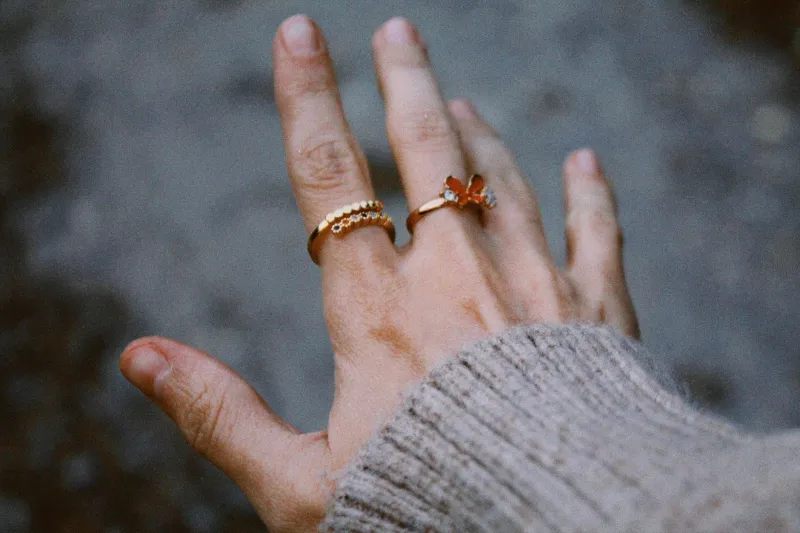
A reliable formula: one anchor, one earring, one hand piece. The anchor is the necklace or bracelet you’ll wear daily. The earring is small enough to sleep in if you forget—or sturdy enough that you won’t panic if you do. The hand piece is the ring or bracelet that can handle luggage, restaurant menus, and hotel soap.
If your trip includes a wedding or a nice dinner, add one dressier piece. One. That’s the give-or-take. The moment you pack a second “maybe” necklace is the moment you’ve started packing for a fantasy version of your trip.
What Earns a Seat
Ask a few blunt questions. Would you wear it on a six-hour flight? Can you operate the clasp without contorting in front of a mirror? Could it survive an airport security tray without a special case and a prayer? Can you clean it with mild soap and a soft cloth?
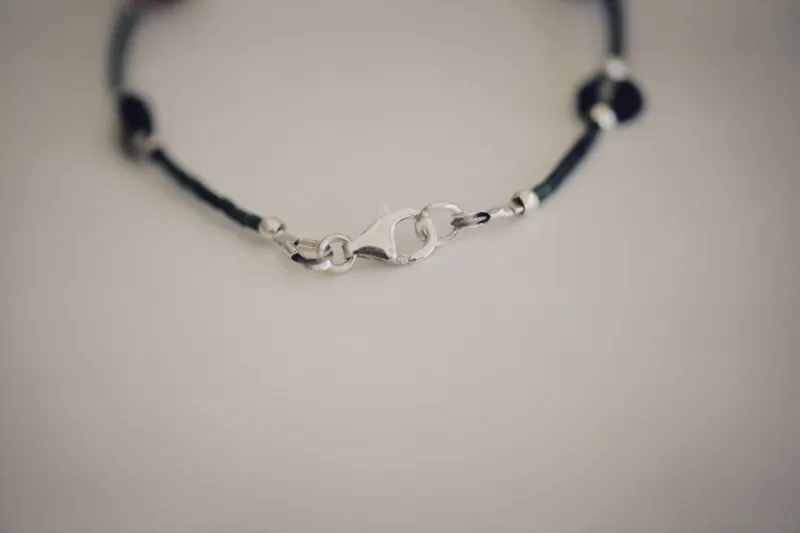
Pieces that tend to pass: small hoops, bezel-set studs, a solid band, a chain with a lobster clasp, a cuff that fits without adjustment. Pieces that tend to fail: long dangles, oversized statement rings with high settings, delicate prong-set stones that catch on sweaters, and anything with a clasp you need to think about. Travel is not the time to prove a fragile piece is tougher than it looks.
What Stays Home—and Why That’s Not a Demotion
Leave the irreplaceable inherited piece at home. Leave the fragile heirloom, the one-of-a-kind stone, the jewelry that requires special storage or a repair you’ve been meaning to schedule. This isn’t punishment. It’s good manners toward your future self.
Also leave the pieces you’d panic about losing. A hotel safe is fine, but it isn’t a guarantee. Travel jewelry should be replaceable or at least not emotionally catastrophic. If losing it would ruin the trip, it belongs in the drawer at home.
Packing Without a Jewelry Box
A small soft pouch with separate compartments is better than a plastic bag and infinitely better than tossing everything into a toiletry kit. Keep each piece in its own cloth, clasp chains and lay them flat, or thread a chain through a straw to stop the inevitable knot. Earrings can go in a small pill organizer—un glamorous, deeply effective.
Keep the pouch in your carry-on, not your checked bag. Wear the highest-value piece in transit if it’s comfortable. At security, don’t let the pouch become a loose item in a crowded bin. Tuck it into a zipped pocket in your personal item before you reach the scanner. Airport trays are where small things go to disappear.
The Climate Question
Hotel air is dry. Beach air is humid. Sunscreen, chlorine, and salt are all quietly grading your jewelry. Remove rings before swimming, apply lotion before you put jewelry on, and give pieces a wipe with a soft cloth at the end of the day. Don’t leave them on the bathroom counter where steam from the shower can settle in.
If you’re traveling somewhere humid, be extra careful with silver and any piece that tarnishes easily. A breathable pouch is better than a sealed plastic bag for most jewelry, though a small zip bag can be useful for a beach day. Just don’t store pearls or opals in something airtight for a week.
The Week-After Audit
When you get home, don’t just unpack. Look at what you wore. If a piece never left the pouch, ask yourself why. Maybe it was wrong for the trip. Maybe it’s wrong for your life. Travel compresses your routine, which makes it a useful mirror.
The piece you reached for every morning should probably live closer to the front of your everyday rotation. The piece you never touched might be beautiful, but it may also be a guest, not a regular. Let the trip edit your collection.
A small travel kit isn’t about deprivation. It’s about trusting a few good things to do their job. Pack less, wear more, and let the hotel sink tell you the truth.